Research design
CompleteDefined the research objectives, key questions, and interview methodology. Two objectives: understand the gap between ELI's stated philosophy and how visitors actually experience it, and identify the psychological barriers preventing everyday people from considering interior design.
Synthetic personas
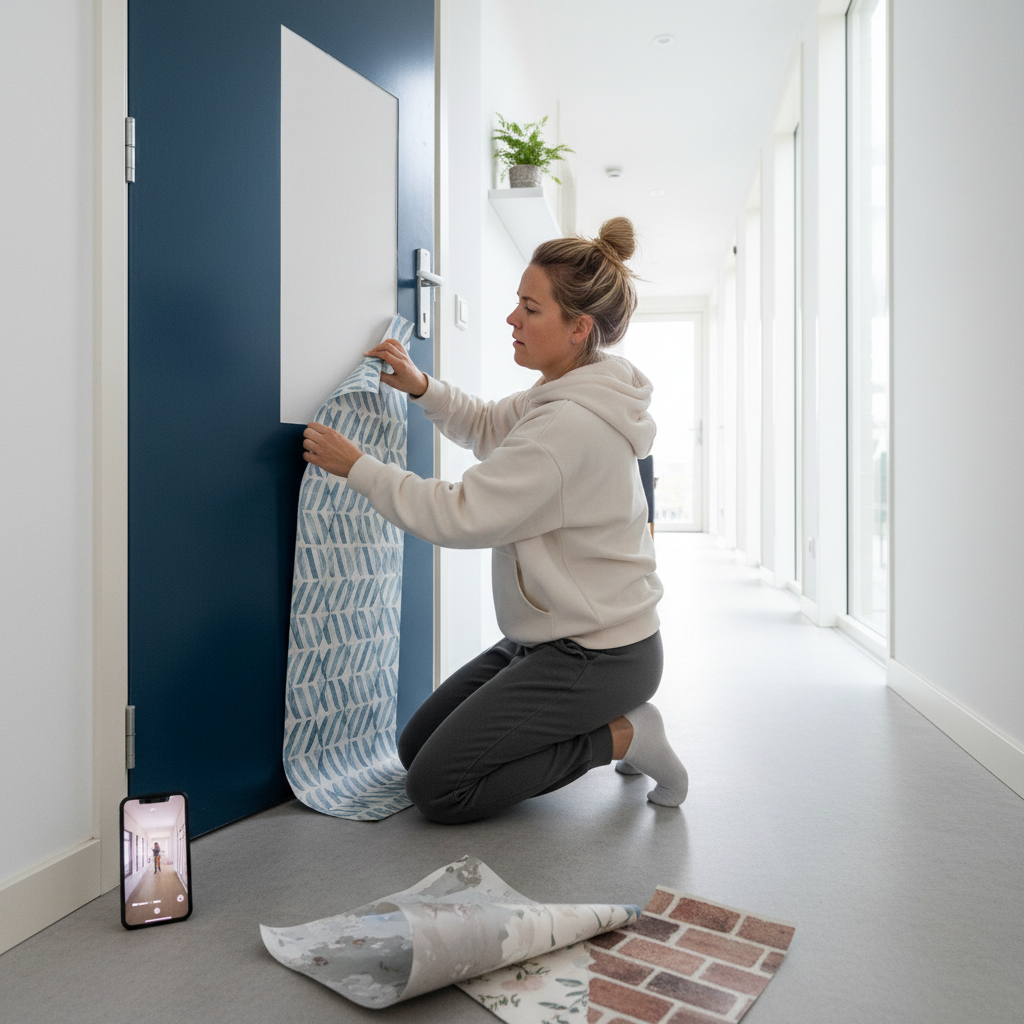
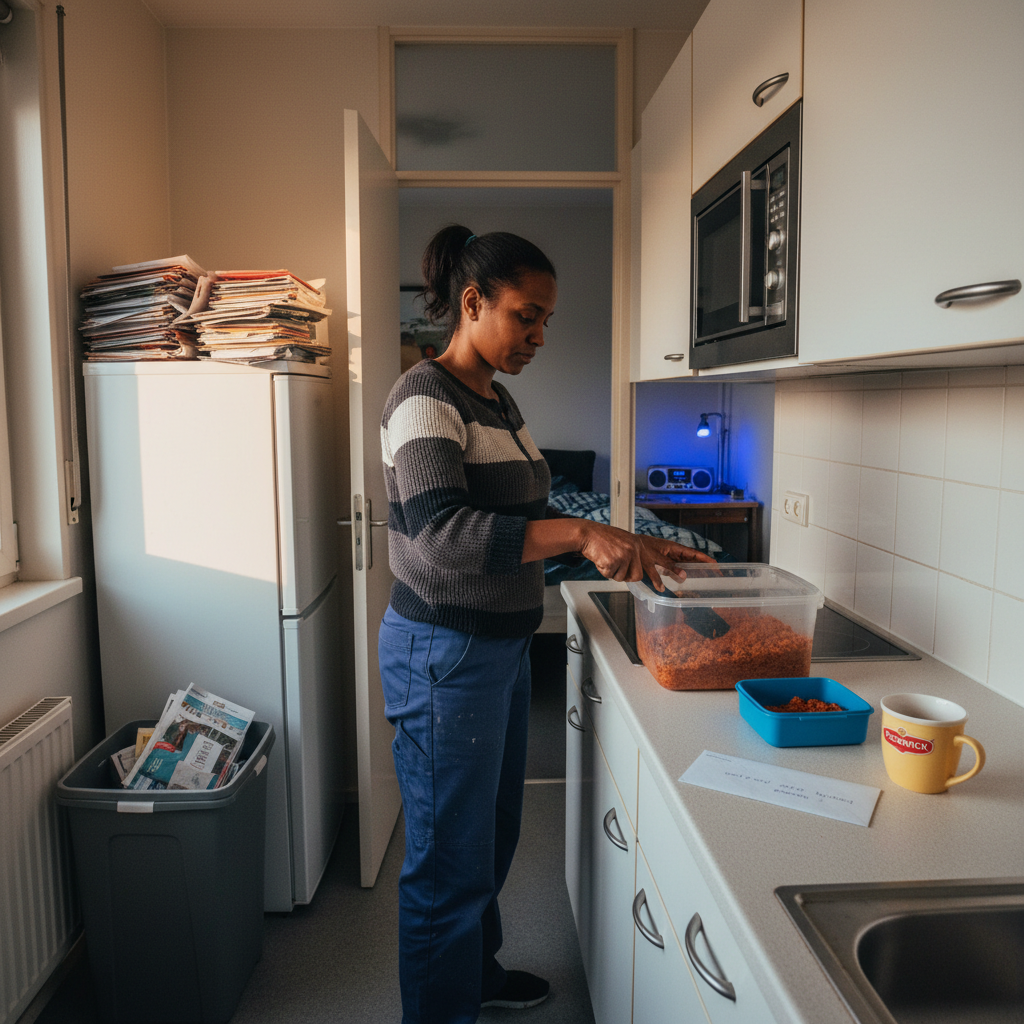
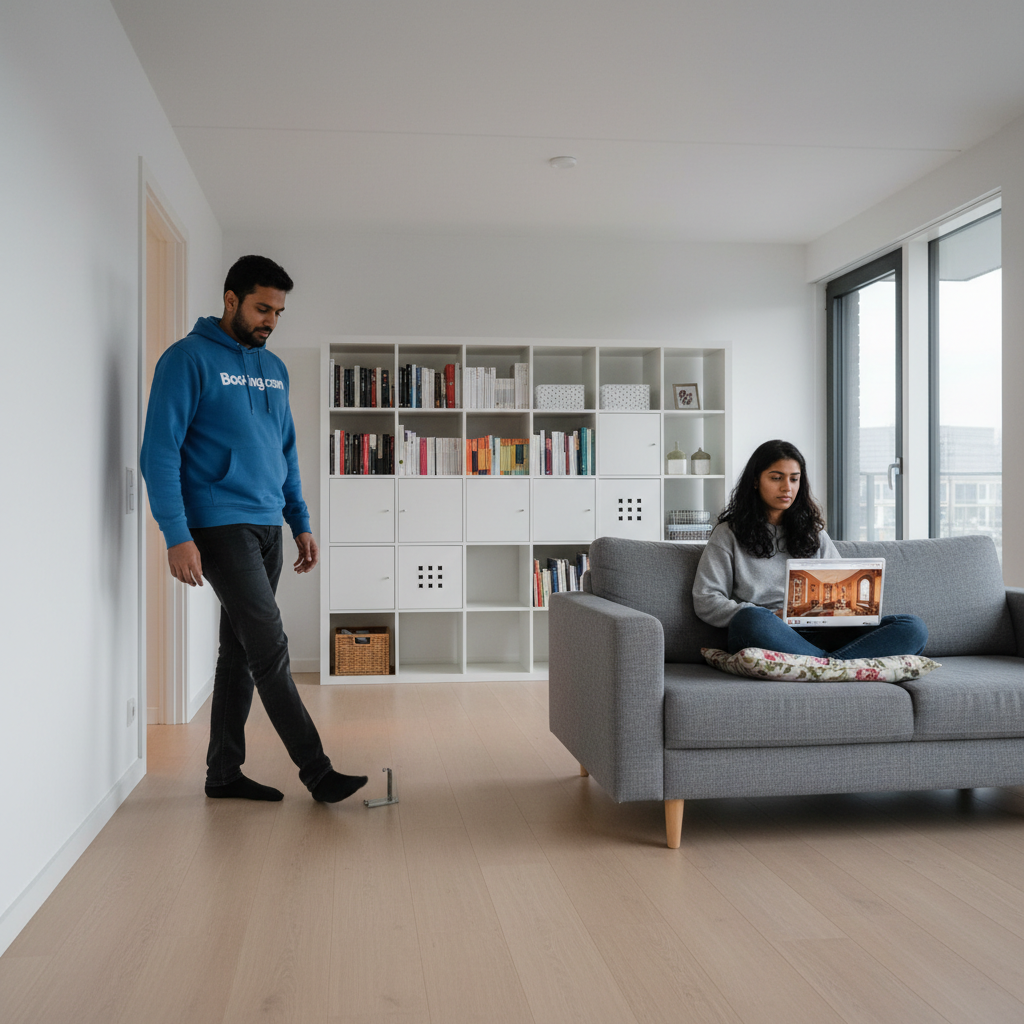
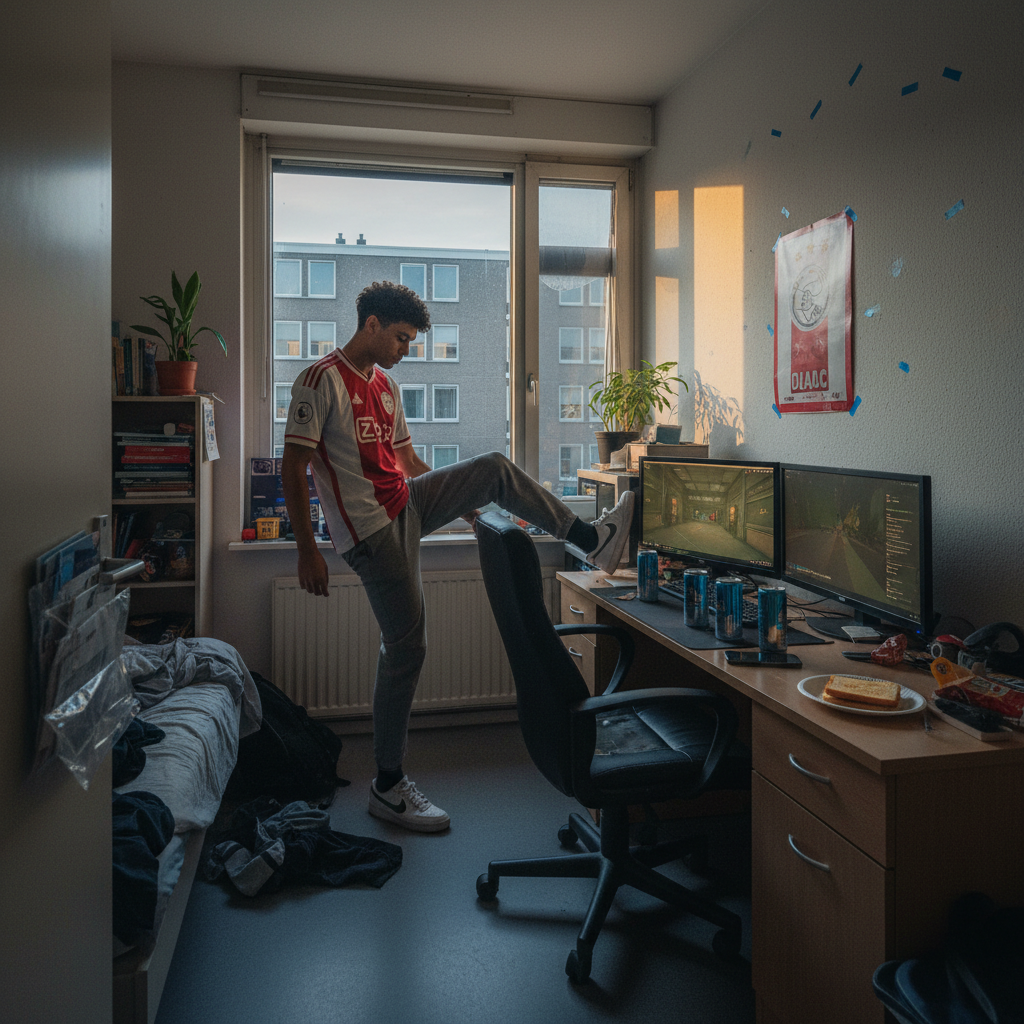
CompleteSix research-grade personas representing ELI's full audience spectrum — from the ideal core target to an indifferent non-audience. Each persona has a detailed psychological profile, cultural context, and specific relationship with home and design.
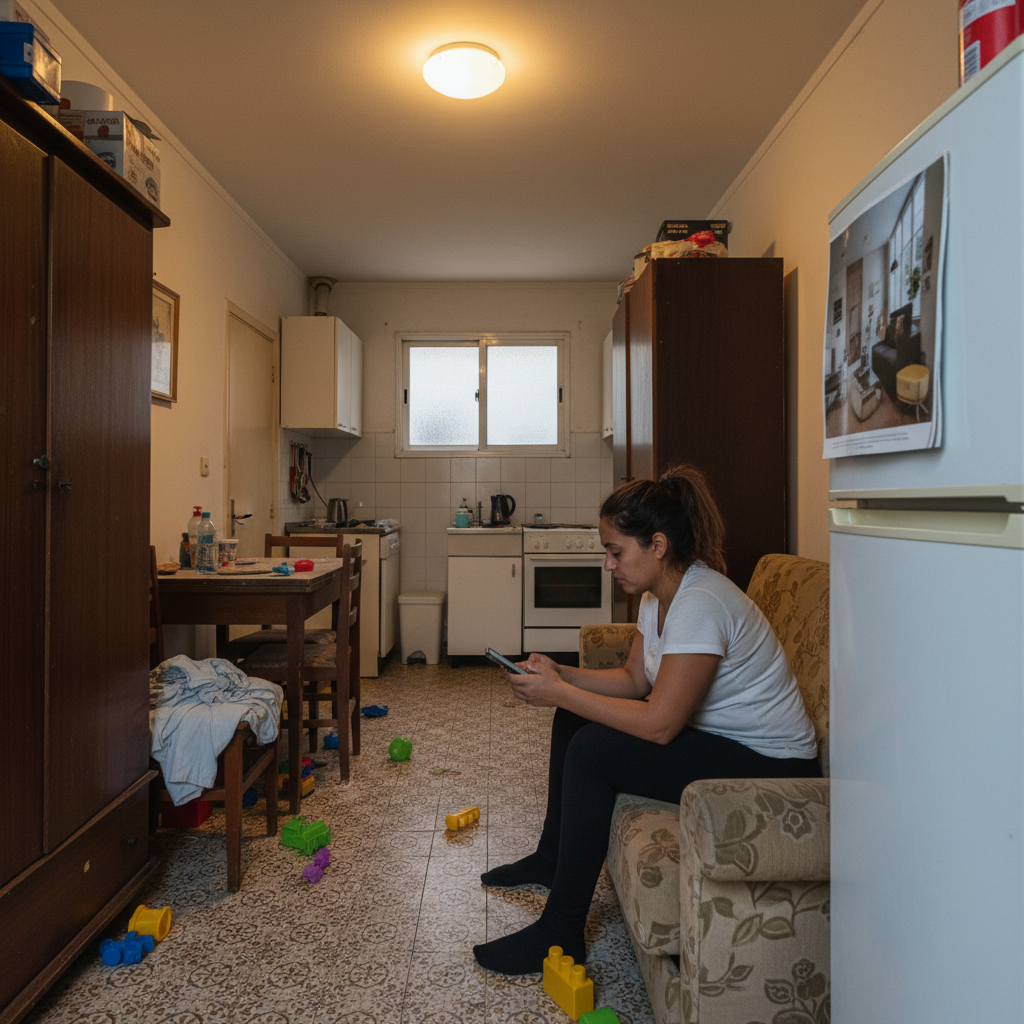
Budget-constrained young mother, carries shame about her home

Competent professional frozen by aesthetic insecurity
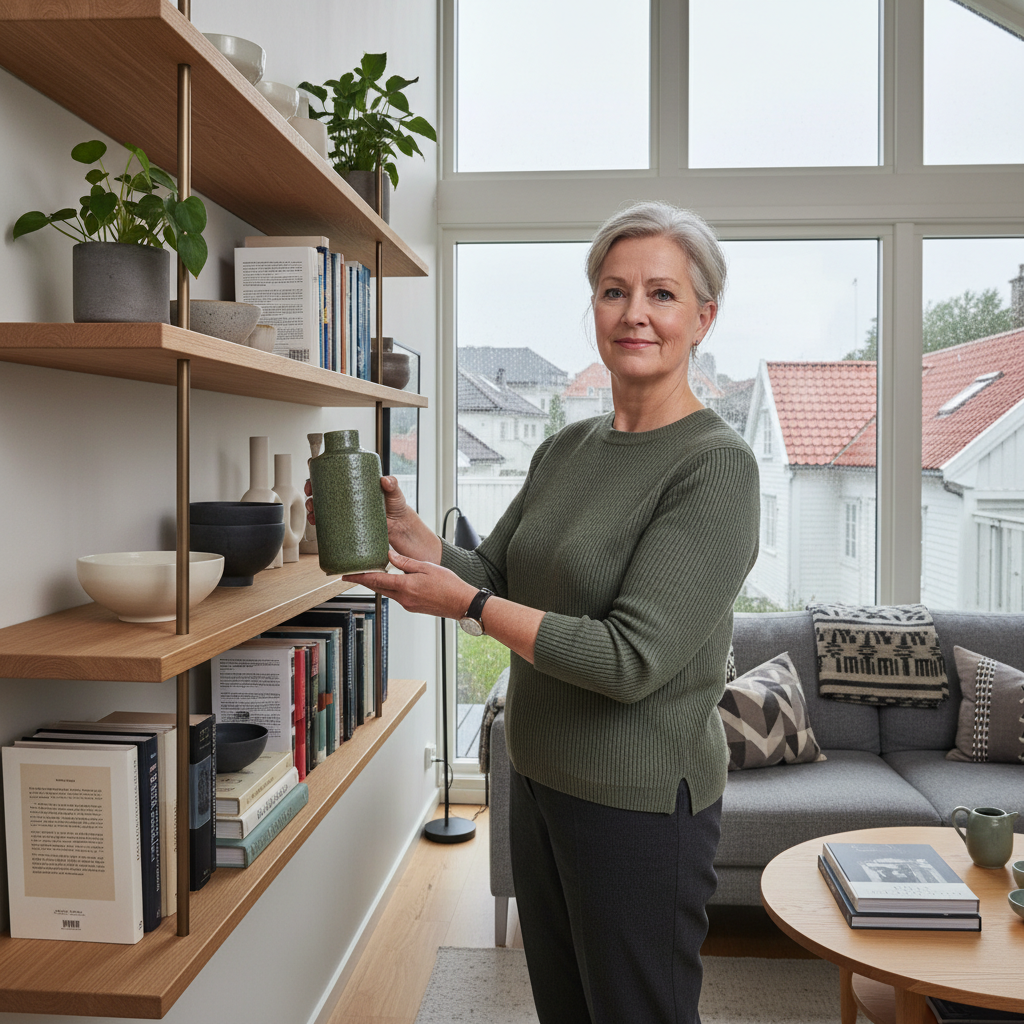
Experienced self-decorator; gatekeeper, not prospect
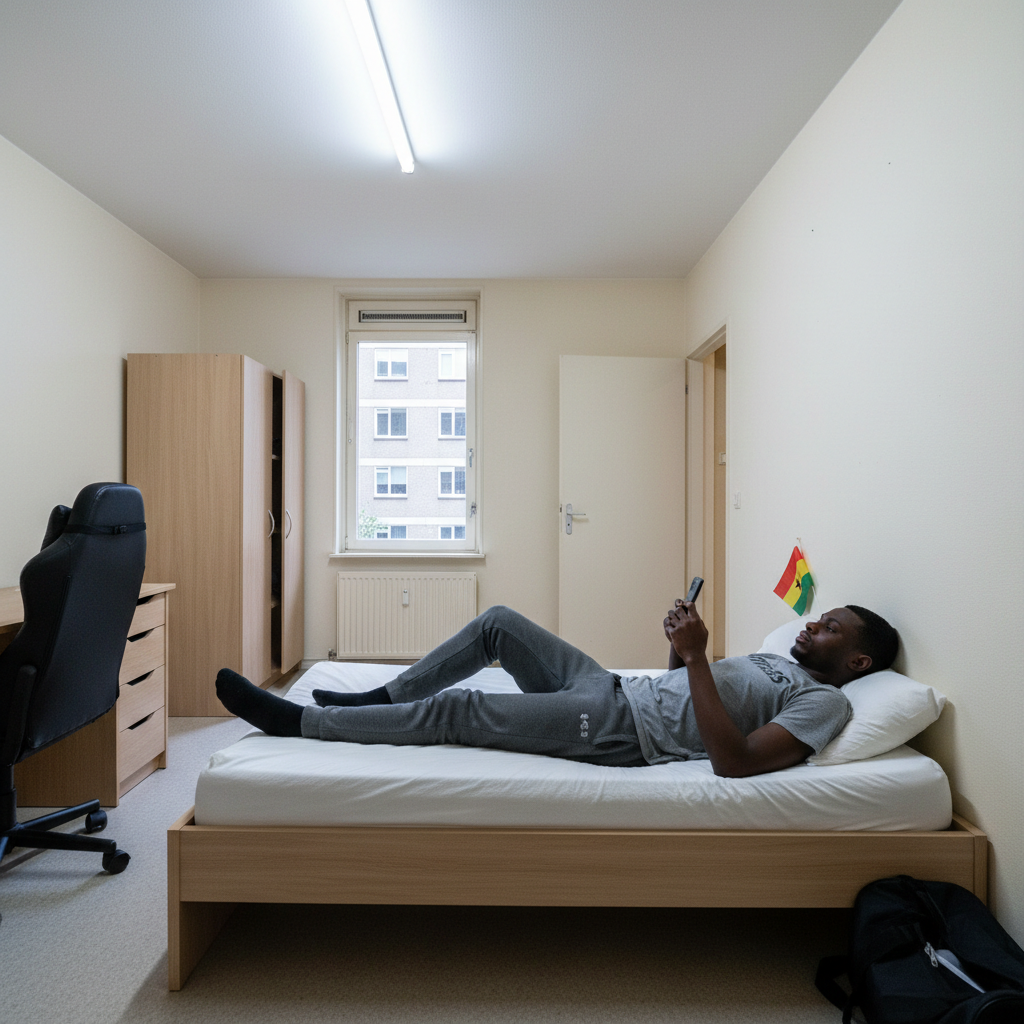
Young man in shared housing; design isn't on his radar

Rebuilding after divorce; home tangled with grief and identity
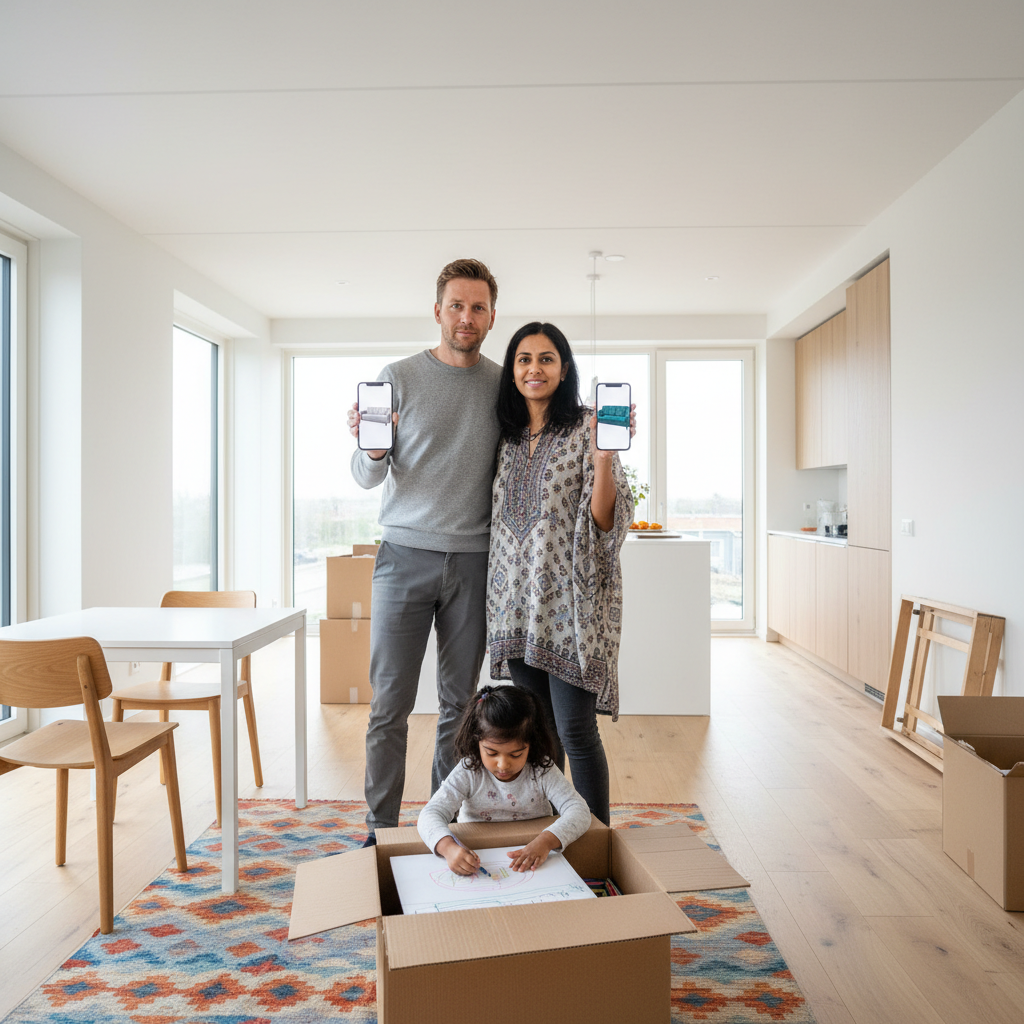
He wants minimalism, she wants warmth; 11 months of indecision
Round 1 — Current website
CompleteEach persona was presented with Sara's live website (the v1 version, before pricing was visible) and interviewed about their reactions, perceptions, and likelihood to take action. Note: Sara has since updated her website based on the research recommendations — the original v1 is no longer live.
Insights report — Round 1
CompleteAnalysis of all six interviews, identifying themes, insights, and prioritised recommendations. The verdict: the concept is strong but the website is losing its best prospects through invisible pricing, vague deliverables, and a single emotional register.
Virtual prototype — Improved website
CompleteA comprehensive description of an improved version of the ELI website, incorporating all research recommendations: visible pricing, emotional entry points, concrete deliverables, before-and-after portfolio, elevated couples positioning, and warmth-authority balance. Detailed enough to serve as a testable artefact.
Round 2 — Improved website
CompleteThe same six personas were presented with the improved website prototype and interviewed again. Fresh encounter — they experience the v2 website as if for the first time.
Insights report — Round 2
CompleteAnalysis of the Round 2 interviews: visible pricing collapsed the access barrier, the emotional section is the website's strongest element, the couples positioning has no market equivalent, and portfolio proof is now the primary remaining gap.
Virtual prototype — Live website
CompleteA faithful description of Sara's live website as captured on 12 June 2026, documenting what was actually built versus what was recommended. Serves as the testable artefact for Round 3 — evaluating the real implementation rather than an ideal prototype.
Research design — Round 3
CompleteResearch goals and interview script for evaluating the live website implementation. Focus areas: implementation fidelity, visual design effect, emotional displacement, and missing elements.
Round 3 — Live website (v3)
CompleteThe same six personas were presented with Sara's live website — the actual implementation — and interviewed about how the real thing compares to what was recommended. Fresh encounter with the built reality.
Insights report — Round 3
CompleteAnalysis of the Round 3 interviews: the implementation captured the mechanics but lost the soul. Blog content displacement, editorial design paradox, and the gap between what was built and what was recommended.